

Cataract surgery with Maccabi Health Services – a comprehensive review
Maccabi members can undergo cataract surgery within the health basket in a hospital, or under the supplementary insurance with surgeons and institutions in Maccabi's arrangement, depending on the plan. Cataract surgery is a common and essential procedure performed around the world, including Israel. This article reviews the cataract surgery process for Maccabi members. 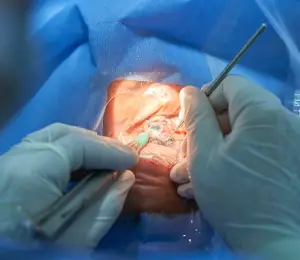 Maccabi Health Services is Israel’s second largest health care organization (Health Insurance Company). Maccabi, founded in the 1940s (1940–1941), offers a wide range of health services. Cataract, clouding of the lens of the eye, leads to visual impairment, and if not treated, may cause blindness. The main treatment for cataracts is surgery, which involves replacing the cloudy lens with an artificial lens, known as an intraocular lens. In most cases, cataract surgery is a procedure that is performed as part of a day hospitalization and does not require hospitalization or an overnight stay.
Am I suitable for surgery?
People who suffer from blurred vision, difficulty recognizing colors or difficulty driving, especially at night, may be suitable for cataract surgery.
Cataract surgery process Maccabi Health Services
The journey to cataract surgery at Maccabi begins with an initial consultation in which the patients’ general health, the severity of the cataract, and any existing eye conditions are assessed. In this examination, a thorough assessment of the lens, cornea and retina is performed to determine the severity of the cataract and its effect on the patient’s daily life. Beyond the eye condition, other medical conditions such as blood pressure, diabetes or regular medications are also taken into account before surgery is approved. This comprehensive assessment is essential for personalizing treatment plans. If necessary, the patient will receive a referral for surgery, and will be given detailed information about the treatment options, the appropriate types of lenses and the course of the surgery. Before the procedure, patients undergo a painless, non-invasive examination to measure the eye and determine the type and strength of lens that is best for their eye. Cataract surgery itself involves making a small incision in the eye to access the cloudy lens. Next, a process called phacoemulsification is used where the cloudy lens is broken up using ultrasound waves and then carefully removed. After the damaged lens is extracted, the artificial lens is inserted. The procedure is usually performed under local anesthesia and takes about 15–30 minutes per eye. Some pressure or discomfort may be felt during the surgery, but sharp pain should not be part of the experience. After surgery, patients are closely monitored to assess their initial recovery and receive detailed instructions regarding postoperative care. Follow-up visits are scheduled to monitor healing and vision improvement.
Information for patients
 Patients receive information about their condition, the surgical procedure, the potential risks and the recovery process.
Support and rehabilitation after surgery
The treatment process does not end with surgery. Care after surgery includes support and rehabilitation services. Eye health professionals are available for questions and support after surgery. They provide advice on activities to avoid, medication schedules and signs of potential complications. At follow-up visits, the doctor also makes sure that the implanted lens is functioning properly and that the tissues are recovering properly. In the first days after surgery, it is recommended to avoid strenuous physical activity and contact with water in the eye area. Most patients return to daily activities gradually, according to the rate of recovery and the doctor’s instructions. In the first weeks after surgery, follow the doctor’s instructions, including avoiding overexertion and using the prescribed eye drops. Patients may experience discomfort or blurred vision in the first few days, but these symptoms usually pass over time. Slight discomfort after the operation is a temporary condition that can be treated with eye drops. In most cases, the improvement in vision is gradual.
Accessibility and price
Maccabi has many clinics throughout Israel. The price of the operation depends on the setting in which the operation is performed, the surgeon, the method of operation and the lens that is implanted into the eye. Maccabi’s supplementary insurance plans (Maccabi Zahav and Maccabi Sheli) cover surgery only with a surgeon in Maccabi’s arrangement, with a co-payment; advanced lenses are paid for separately. The health basket includes a regular lens only.
Choosing a surgeon
When choosing a surgeon, it is recommended to check the doctor’s training, experience and areas of specialization, and make sure that cataract is within the surgeon’s expertise.
Have a question about cataract surgery? We are happy to help.