
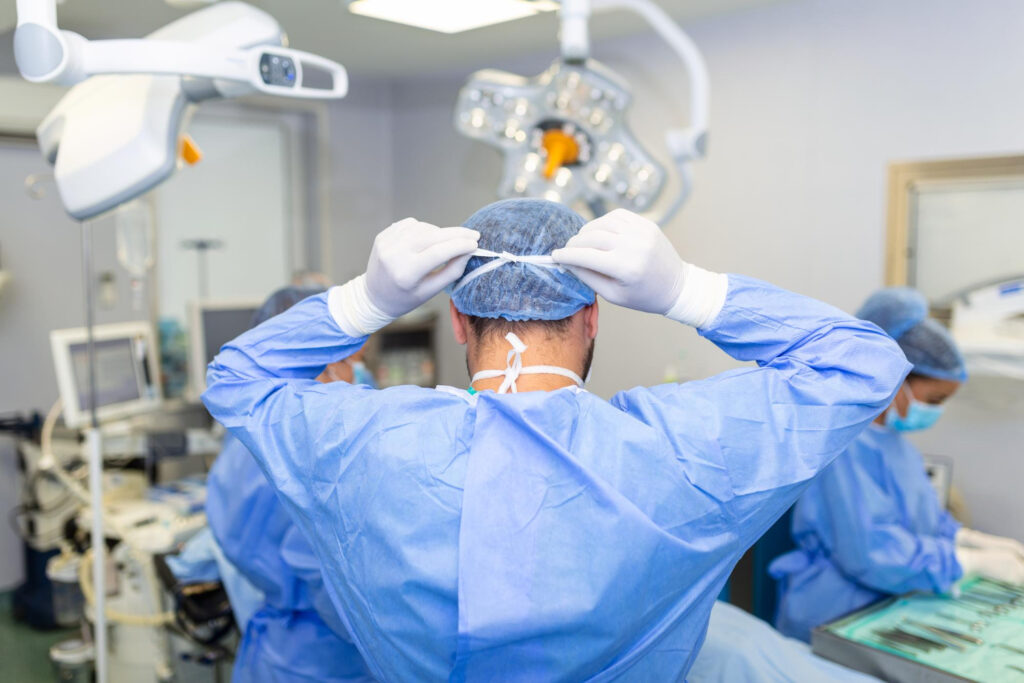
Cataract surgery is one of the most common surgeries in the field of ophthalmology and is an effective solution for people suffering from clouding of the lens of the eye, a phenomenon known as “cataract”. Clalit Mushlam is the supplementary insurance plan (Shaban) of Clalit Health Services. Under it, cataract surgery can be performed in a private hospital with a surgeon who has an agreement with Clalit Mushlam, after prior approval and according to the terms of the plan. The goal is to improve the patients’ quality of vision and life. Here we will detail everything you need to know about cataract surgery under Clalit Mushlam, from the preparations for the surgery, through the surgical process itself to the full recovery and the possible results.
What is cataract surgery and why is it important?
Cataract is a condition in which the lens of the eye gradually becomes cloudy, which leads to a decrease in visual acuity and a sense of blurring. Cataract surgery is a surgical procedure that aims to remove the cloudy lens and replace it with a clear artificial lens.
The importance of cataract surgery lies in the fact that it makes it possible to improve vision and the patients’ quality of life. People suffering from cataracts have difficulty with everyday activities such as reading, driving and recognizing faces. Cataract surgery is one of the most common surgical procedures in ophthalmology.
Advantages of Clalit Mushlam cataract surgery
The main advantage of surgery under Clalit Mushlam is the option to choose a surgeon from the list of surgeons in the agreement and to have the surgery in a private hospital: with a regular lens without a co-payment, and with a laser technique or an advanced lens with a co-payment. If surgery using a laser technique is chosen, the laser makes precise incisions.
Under Clalit Mushlam, the surgeries are performed by surgeons who have an agreement with the plan, in private hospitals.
The advanced technologies in Clalit Mushlam cataract surgery
Under Clalit Mushlam, cataract surgery can also be performed using a laser technique; according to Clalit, such surgery involves a co-payment (lower in Platinum than in Zahav), whereas surgery with a regular lens by a surgeon in the agreement involves no co-payment. In this technique the laser makes precise incisions.
An advanced lens (multifocal or for astigmatism correction) can also be chosen, but the basic entitlement is to a regular lens, and an advanced lens involves an additional payment.
The steps of the process in Clalit Mushlam cataract surgery
Cataract surgery under Clalit Mushlam is performed in three key steps.
In the first stage, pre-operative tests are performed in the pre-operative clinic. The patient undergoes a comprehensive eye examination that includes accurate measurements of the eye and the selection of the type of artificial lens to be implanted. The medical team discusses the treatment options with the patient and adjusts the operation to his personal needs.
In the second stage, the surgery itself is performed under local anesthesia, so the patient is awake but does not feel pain. The doctor makes small incisions in the eye, removes the cloudy lens and puts the artificial lens in its place. If surgery using a laser technique is chosen, with a co-payment, the laser is used to make precise incisions in the eye and to segment the cloudy lens. The entire operation usually lasts 15 to 30 minutes and does not require hospitalization.
In the third and last stage, the recovery after surgery is carried out in the clinic. The patient undergoes tests to make sure that the operation was successful and that the artificial lens is positioned correctly. Patients receive instructions for continued treatment and follow-up, including eye drops and maintaining eye hygiene.

Preparations before Clalit Mushlam cataract surgery
Before cataract surgery under Clalit Mushlam, several preparations must be made. The process begins with pre-operative tests conducted in the pre-operative clinic. In these tests, the patient undergoes a comprehensive eye examination that includes precise measurements of the eye. The information collected allows the medical team to determine the type of artificial lens to be implanted and to adapt the operation to the unique needs of the patient.
The doctor will hold a detailed discussion with the patient regarding the possible types of lenses and the various surgical procedures and will explain all the stages of surgery and recovery. It is important that the patient feels comfortable asking questions and receiving all the information he needs before surgery.
On the day of surgery, you should avoid eating and drinking a few hours before the procedure, in accordance with the doctor’s instructions. Also, remove makeup and wash your face well to avoid infections. During the operation, the patient will receive local anesthesia only and therefore he will remain awake and able to communicate with the medical team.
After the operation, the patient will receive detailed instructions for continuing treatment at home, including the use of eye drops and regular medical follow-up.
The surgical process in Clalit Mushlam cataract surgery
The surgery can be performed using a regular technique or a laser technique, according to the surgeon's recommendation. Surgery using a laser technique involves a co-payment (lower in Platinum than in Zahav). The process begins with local anesthesia of the eye, so the patient is awake but does not feel pain.
The doctor makes small incisions in the cornea and then breaks the cloudy lens into small pieces. In surgery using a laser technique, the laser makes the precise incisions and breaks up the lens. The broken-up pieces of the lens are gently removed from the eye using gentle suction. After removing the cloudy lens, the doctor implants a clear artificial lens in place of the removed natural lens.
The surgery itself usually lasts 15 to 30 minutes and does not require hospitalization. After the operation, the patient is taken to the recovery room for an initial follow-up and to make sure everything is normal.
Recovery and convalescence after Clalit Mushlam cataract surgery
Full recovery usually takes four to eight weeks, and the pace of recovery differs from person to person. After the operation, the patient is discharged home shortly after the procedure, with detailed instructions for further treatment and follow-up.
In the first days after surgery, it is important to avoid strenuous activities and avoid direct contact with the operated eye. The doctor will prescribe eye drops aimed at preventing infections and reducing inflammation, and they must be used according to the instructions given. Sensations of itching or the feeling of a foreign body in the eye may appear during the first few days, but are a natural part of the recovery process.
Vision improves gradually after surgery. A medical follow-up is usually performed about a week, a month and three months after the surgery to make sure that the recovery is taking place properly and there are no complications. Adherence to the instructions and medical follow-up contribute to recovery.
Results and potential risks in Clalit Mushlam cataract surgery
After cataract surgery under Clalit Mushlam, most patients experience an improvement in visual acuity and quality of life. Post-operative vision becomes clearer, colors appear more vivid and patients report less glare. This operation is considered safe and effective.
However, as with any surgical procedure, there are potential risks to be aware of. Possible risks include infections, inflammations or other eye problems. It is important to be under medical supervision and report any unusual signs to the attending physician.
Among the rarer risks are retinal detachment, high intraocular pressure and displacement of the artificial lens. It is important to note that these risks are rare, especially when the surgery is performed by an experienced surgeon. The medical team accompanies the patients throughout the entire process, from the preliminary tests to the follow-up after the surgery.
Patient experiences in Clalit Mushlam cataract surgery
Many patients report an improvement in visual acuity and quality of life after surgery. Sensations of color clarity, less glare and sharp and clear vision are among the common results that patients experience after the procedure.
The patients appreciate the detailed explanations and the close support they receive throughout the entire process, from the first visit to the follow-up after surgery. The attention to detail and the concern for the patient’s well-being create a positive and relaxing treatment experience.
Doctors specializing in Clalit Mushlam cataract surgery
Under Clalit Mushlam, cataract surgeries are performed by specialist ophthalmologists who have an agreement with the plan, and their list appears on the Clalit Mushlam website.
The surgeons collaborate with nurses, technicians and other specialists.
The surgeons take care to give detailed explanations, answer every question and provide close support throughout the entire surgery and recovery process.

Frequently asked questions about Clalit Mushlam cataract surgery
How does laser cataract surgery differ from traditional surgery?
Laser cataract surgery, an option with a co-payment, uses laser technology to make the precise incisions in the eye and to segment the cloudy lens, whereas traditional surgery uses manual cutting tools.
What are the advantages of laser cataract surgery?
The advantage is precise incisions.
How long does cataract surgery under Clalit Mushlam last?
The surgery itself usually lasts 15 to 30 minutes. However, the total time in the clinic can be longer due to the preparations before the surgery and the follow-up after it.
Is cataract surgery under Clalit Mushlam painful?
The operation is performed under local anesthesia, so the patient does not feel pain during the procedure. There may be feelings of slight discomfort after the operation, but these can be controlled with the help of drugs that the doctor will prescribe.
What is the recovery period after cataract surgery under Clalit Mushlam?
In most cases, full recovery usually takes four to eight weeks. It is important to follow the doctor’s instructions and use the prescribed eye drops.
Are there any risks in cataract surgery under Clalit Mushlam?
As with any surgical procedure, there are potential risks, but they are uncommon. Possible risks include infections, inflammation, retinal detachment and high intraocular pressure.
When can I return to normal activity after surgery?
Most patients can return to full activity once recovery is complete, which takes four to eight weeks. Strenuous activities and direct contact with the eye should be avoided for several weeks in accordance with the doctor’s instructions.
How to choose the right artificial lens?
The choice of the artificial lens is made jointly with the doctor, based on the patient’s personal needs, his medical condition and the type of activities he performs on a daily basis. There are premium lenses for astigmatism, and multifocal lenses, and the doctor should be consulted to choose the best option.
Comparison between Clalit Mushlam cataract surgery and other methods
One of the main differences between laser cataract surgery under Clalit Mushlam and traditional methods is the use of laser technology to make the exact cuts in the eye, as opposed to the manual methods that use normal cutting tools.
Traditional methods for cataract surgery are still considered safe and effective, and choosing the appropriate method depends on the patient’s eye condition and the doctor’s recommendation. In both methods, the goal is to improve the patient’s quality of vision and life.
How to choose the right artificial lens in cataract surgery
Choosing the appropriate artificial lens in cataract surgery is an important decision that affects the final results of the surgery and the quality of the patient’s vision. There are several types of artificial lenses available, and each one is tailored to different needs and requirements of the patients.
The choice of the appropriate lens is made jointly with the doctor, based on several factors, including:
- Existing medical condition: Consider existing medical conditions such as astigmatism or other eye problems.
- Daily activities: the type of activities that the patient performs on a daily basis affects the type of lens that is suitable. For example, if the patient needs sharp near and far vision, a multifocal lens can be chosen.
- Patient expectations: It is important to discuss with the doctor the expectations from the surgery and the patient’s personal goals regarding vision after surgery.
Among the types of available lenses you can find:
Monofocal lenses: These lenses improve vision for one distance only, and glasses are needed for near or far vision.
Multifocal lenses: these lenses enable vision both near and far, and may reduce the need for glasses.
Toric lenses: these lenses are suitable for patients with astigmatism and correct vision more accurately.
The doctor will advise the patient on the type of lens best suited to his personal needs and help him make an informed decision. Choosing the right lens is an important part of the success of the surgery and contributes to the patient’s quality of vision and life after surgery.
Summary: The future of cataract surgery under Clalit Mushlam
In summary, Clalit Mushlam allows cataract surgery with a surgeon in the agreement in a private hospital. Before the surgery, it is advisable to check the amount of the co-payment with Clalit, especially if you are considering a laser technique or an advanced lens.
One of the main directions in the development of cataract surgeries is the improvement in laser technologies. The use of a laser makes it possible to make precise cuts. In addition, the developing technologies enable the development of more advanced lenses.
The team of doctors in Clalit Mushlam continues to focus on providing personal and professional care to each patient, with an emphasis on comfort and safety during the surgical and recovery process.
Clalit Mushlam information sources:
- https://mushlam.clalit.co.il/he/Treatments/Pages/privatesurgeryinisrael_arrangement.aspx
- https://mushlam.clalit.co.il/he/family/Pages/treatments.aspx
- https://www.clalit.co.il/he/medical/surgery/Pages/eye_surgery.aspx
- https://www.clalit.co.il/he/your_health/family/eyes/Pages/cataract.aspx
Have a question about cataract surgery? We are happy to help.