
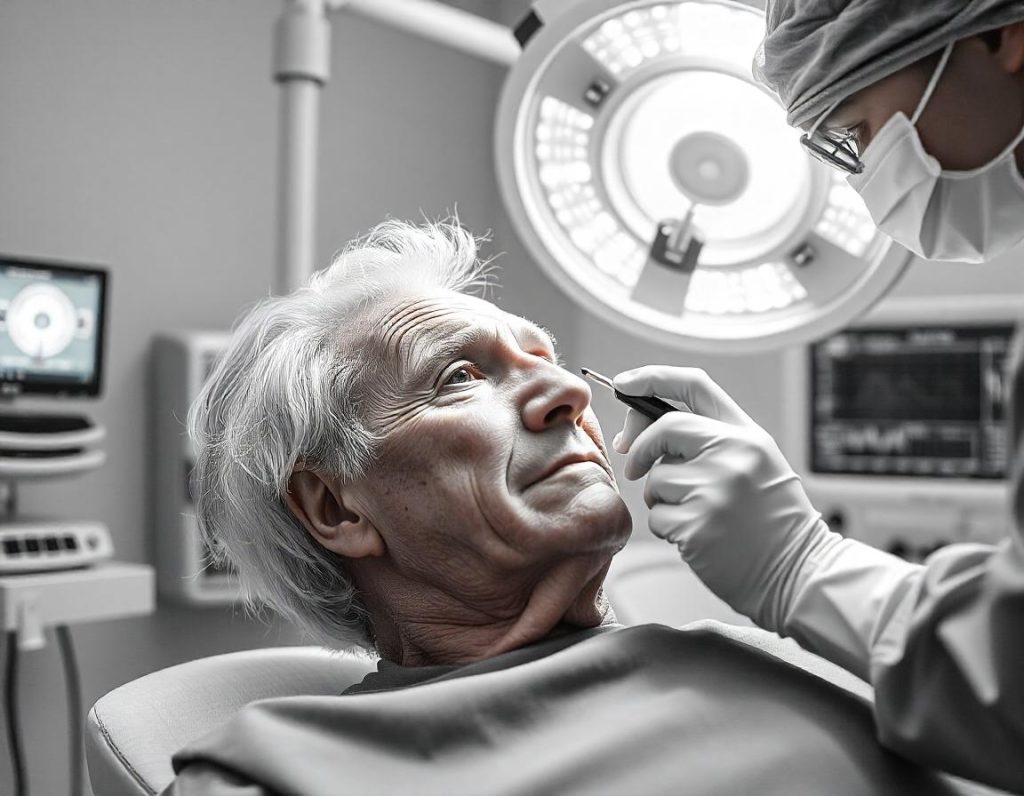
Maccabi Zahav cataract surgery is an advanced solution for Maccabi Health Fund policyholders who wish to improve their quality of life through effective and safe treatment of cataract problems. This surgery is considered one of the most common surgical procedures in Israel. Within the framework of Maccabi Zahav, policyholders can choose a surgeon from the list of surgeons in Maccabi's arrangement and have the surgery in a hospital or clinic in the arrangement, with a co-payment according to the plan.
The procedure itself is based on removing the damaged lens and implanting an artificial lens that allows for better visual acuity. However, it is important to know that the process requires personal consultation and adaptation to the unique needs of each patient.
Among other things, Maccabi Zahav provides in-depth information to patients, including an overview of the possible risks, the recovery process, and the treatments available after surgery. This information allows patients to make an informed decision and be well-prepared for the process and its results.
Is Maccabi Zahav cataract surgery right for you?
Maccabi Zahav cataract surgery is suitable for people suffering from the effects of cataracts, such as decreased visual acuity, difficulty driving at night, and symptoms such as increased glare from lights. Maccabi Zahav policyholders who are eligible for these services can check with their treating physician whether the surgery meets their health and personal needs.
Other factors that can affect the suitability of surgery include age, general health, other eye diseases, and the level of impact of cataracts on daily life. Patients are often referred for a preoperative examination that includes an assessment of the condition of the eye and a lens fitting test.
It is important to note that even after the decision to perform the surgery is made, it is important to ensure that the patient understands the recovery process, the possible risks, and the ways to maintain eye health after the surgery. The personal consultation with the doctor and the information provided within the framework of Maccabi Zahav are critical to the success of the surgery and to improving the patient’s quality of life.
The stages of the cataract surgery process
The Maccabi Zahav cataract surgery process is divided into several clear stages.
The first stage includes an initial consultation with a specialist ophthalmologist, during which a thorough examination of the eye is performed to assess the condition of the cataract and to ensure that there are no other eye diseases that may affect the results of the surgery. During this process, the artificial lens that will be implanted in the eye is selected, based on measurements of the eye.
In the second stage, the patient receives detailed instructions regarding preparations for surgery, including instructions for using eye drops before the procedure and general instructions for maintaining eye health.
The third stage is the surgery itself, which is usually performed under local anesthesia and lasts about 15 to 30 minutes. During the surgery, the damaged lens is removed and an artificial lens is implanted in its place.
After surgery, the recovery phase begins, during which the patient is required to use eye drops as recommended and avoid certain activities that may jeopardize the results of the procedure. A post-operative check-up is usually performed the day after the procedure, and then in the following weeks, to ensure that the eye is healing properly and that no unusual side effects develop.

Advantages of Maccabi Zahav Cataract Surgery Compared to Other Methods
Maccabi Zahav cataract surgery has a number of advantages for Maccabi policyholders:
- Lower cost for policyholders: When the surgery is performed by a surgeon in Maccabi's arrangement, the policyholder pays only a co-payment. Surgery outside the arrangement does not entitle you to reimbursement.
- Selection of specialists: Insured persons under this framework can choose a specialist physician with extensive experience in cataract surgery, using advanced technologies.
- Lens selection: The treatment includes choosing an intraocular lens based on measurements of the eye.
- Follow-up after surgery: The scope of follow-up included with the surgery, and any additional costs, should be checked in advance with the surgeon and the health fund.
How is the doctor selected for Maccabi Zahav cataract surgery?
Choosing a doctor for Maccabi Zahav cataract surgery is one of the key factors that affect the success of the procedure and patient satisfaction. To choose the most suitable doctor, it is recommended to consider several parameters:
First, it is important to make sure that the doctor has extensive experience in cataract surgery and uses advanced technologies. You can check the number of surgeries he has performed and whether he specializes in certain methods such as laser surgery or advanced implants.
Second, you should focus on reviews from previous patients. Positive recommendations from other patients can provide confidence in the doctor’s professionalism and the quality of service he provides.
In addition, the Maccabi Zahav framework allows policyholders to choose a surgeon from the list of surgeons in Maccabi's arrangement.
Finally, it is important to ensure personal chemistry between the patient and the doctor. An initial consultation is an excellent opportunity to get an impression of the doctor’s communication style, patience, and ability to clearly explain the surgical process.
Preparing for Cataract Surgery – A Detailed Guide
Proper preparation for Maccabi Zahav cataract surgery is an essential step to reduce risks.
In the first stage, a thorough eye examination will be performed to determine the condition of the cataract and select the most appropriate lens type. The examination includes measuring the cornea, assessing the depth of the eye, and diagnosing the general health of the eye.
After the tests, your doctor will provide detailed instructions on using antibiotic eye drops before surgery. These drops are designed to reduce the risk of infection during and after the procedure.
Additionally, tell the doctor about all your medicines, and do not stop any without the doctor's instruction.
The day before surgery, it is important to rest and not engage in strenuous activity. It is also recommended to avoid eating and drinking for several hours before the procedure, as directed by your doctor.
On the day of the surgery itself, the patient must be accompanied by a companion who will assist them in returning home after the procedure. In addition, all required documents must be brought, including Maccabi Zahav insurance confirmation.
Following these steps will help the patient be well prepared for surgery.

The recovery process after cataract surgery
During the recovery process after Maccabi Zahav cataract surgery, it is important to follow the instructions to prevent complications.
On the first day after surgery, vision may be slightly blurry or dim. This is normal.
During the first few weeks, the patient will be asked to use antibiotic and steroid eye drops as directed by the doctor. These drops help prevent infections and reduce inflammation.
Strenuous activities, heavy lifting, and rubbing the eye should be avoided during the recovery period. It is also recommended to wear an eye shield at night, especially during the first week, to prevent injury or pressure on the eye.
Postoperative check-ups will be conducted regularly for the first few weeks, and then less frequently. During these check-ups, the doctor will make sure that the eye is healing properly and that there are no signs of complications.
Full recovery usually takes several weeks, while the results of the surgery can last for many years and positively affect the patient’s quality of life.
Possible side effects
As with any surgical procedure, Maccabi Zahav cataract surgery may have side effects. It is important to be aware of them and know how to deal with them if they occur.
One of the most common symptoms is a feeling of dryness or irritation in the eye, which results from the healing process. This phenomenon can be treated with preservative-free artificial tears.
Increased glare from lights, especially at night, can occur in the first few weeks after surgery. In most cases, this phenomenon resolves on its own over time as the eye adjusts to the new lens.
In rarer cases, signs of infection may appear, such as severe pain, severe redness, or a sudden decrease in visual acuity. In such cases, you should contact your doctor immediately.
Other rare side effects include corneal edema, increased intraocular pressure, or displacement of the implanted lens. These effects require monitoring and treatment by your doctor.
Postoperative follow-up is essential for early identification and treatment of any unusual symptoms, if they appear.
Maccabi Zahav Cataract Surgery Cost and What the Insurance Includes
Cataract surgery within the framework of Maccabi Zahav offers a significant advantage in terms of cost, especially compared to private options. Maccabi Zahav policyholders benefit from a relatively low co-payment, in accordance with the insurance arrangements established with the health fund.
The cost varies depending on parameters such as the type of lens implanted, the method used for the surgery, and the surgeon selected. For example, premium lenses that allow for astigmatism correction or vision at different distances may increase the cost of the procedure. Maccabi Zahav and Maccabi Sheli cover the surgery only with a surgeon in Maccabi’s arrangement, for a co-payment; a premium lens (toric or multifocal) is paid for by the patient.
What exactly is included in the co-payment (for example, tests before the surgery and follow-up after it) depends on the terms of the plan and the institution, and it is advisable to check this in advance. Patients also have access to a list of specialist doctors and medical centers where the surgery is performed.
Despite the significant benefits, it is recommended to check the details of Maccabi Zahav’s policy in advance, inquire about possible additional costs, and ensure that the insurance framework covers all required services.

Comparison of Maccabi Zahav Cataract Surgery to Maccabi Silver and Private Surgery
Maccabi Zahav cataract surgery offers distinct advantages compared to Maccabi Silver and private surgery.
Maccabi Silver does not offer a choice of surgeon. The entitlement there is to surgery without a choice of surgeon, whereas with Maccabi Zahav and Maccabi Sheli you can choose a surgeon from the arrangement list.
Private surgery, on the other hand, offers greater flexibility in choosing surgeons and advanced treatments, but this comes at a much higher cost. The patient may incur significant expenses, especially if they choose prestigious medical centers or premium lenses.
Maccabi Zahav can reduce the cost of the surgery and allow a choice of surgeon, as long as the surgery is performed by a surgeon and in an institution in Maccabi's arrangement.
In conclusion, surgery within the framework of Maccabi Zahav is suitable for those seeking treatment at an affordable price, while taking advantage of the benefits of the health fund's insurance. On the other hand, those who prefer complete flexibility in choosing treatment may consider private surgery, but should take into account the high costs involved. If you have private insurance, check the terms of the policy with the insurance company.
When should you seek cataract surgery at Maccabi Zahav?
The decision to seek cataract surgery at Maccabi Zahav depends on the patient’s vision status and the impact of the cataract on quality of life. If the cataract causes a significant decrease in visual acuity, difficulty driving, especially at night, or interference with daily activities such as reading and watching television, this is a clear sign to consider surgery.
It is important to remember that cataracts do not get worse immediately, so there is no need to rush to surgery if the impact on your life is minimal. However, consulting with a specialist ophthalmologist can help you make an informed decision about when to have the procedure.
Additional factors that can influence the decision include the patient’s age, general health, and whether the surgery is tailored to individual needs. Maccabi Zahav policyholders can use the insurance for surgery with a surgeon in the arrangement. The timing of the surgery should be set according to the medical recommendation.
Opinions of patients who underwent cataract surgery through Maccabi Zahav
Patients who undergo cataract surgery at Maccabi Zahav often report a positive experience and improvement in their vision. Many of them point out the benefits of choosing a specialist.
However, some patients noted the importance of understanding the recovery process and expectations from surgery in advance. For example, some patients experienced temporary dryness or glare after surgery, but understood that these were transient phenomena as part of the healing process.

New technologies in cataract surgery
Cataract surgery can incorporate advanced technologies. One option is the use of a Femtosecond Laser to create precise incisions in the cornea and lens capsule; the laser is optional and is not part of every surgery.
Additionally, there are advanced intraocular lenses. For example, multifocal and toric lenses allow for vision correction at different distances and astigmatism correction, which may reduce the need for glasses after surgery.
Real-time 3D imaging systems (OCT) are also integrated into surgeries and provide the doctor with an accurate view of the eye’s structure during the procedure.
Tips for maintaining eye health after cataract surgery
Maintaining eye health after cataract surgery is essential to the success of the procedure and to prevent complications. Here are some important tips:
- Careful use of eye drops: Be sure to use antibiotic and steroid drops as directed by your doctor. These drops prevent infections and reduce inflammation.
- Avoiding dangerous activities: In the first few weeks, avoid rubbing the eye, direct contact with non-sterile water, or exposure to dust and other irritating substances.
- Eye protection: It is recommended to wear sunglasses when going out in the sun to protect the sensitive eye from UV radiation and glare. At night, it is a good idea to use an eye shield to prevent damage during sleep.
- Avoiding strenuous activity: Avoid lifting heavy weights, strenuous sports, or activities that put strain on the eye area.
- Regular medical follow-up: It is important to attend all scheduled check-ups with the doctor, to ensure that the eye is healing properly and to check for any unusual symptoms.
Additionally, if you experience any unusual symptoms such as severe pain, redness, or decreased vision, you should see a doctor immediately.
Have a question about cataract surgery? We are happy to help.